London: A Journey Through the Heart of the United Kingdom
A global capital of culture, history, innovation, and international influence
About London
London is not just a city; it is a living, breathing museum where two millennia of history stand shoulder-to-shoulder with cutting-edge innovation. From the Roman settlement of Londinium to the glittering skyscrapers of the modern City, London has survived fires, plagues, and wars to remain a global beacon of culture, finance, and royalty.
Whether you are wandering the cobbled streets of the East End or witnessing the grandeur of a Royal Procession in Westminster, London offers an experience that is both quintessentially British and unapologetically international. The city’s atmosphere is a unique blend of formal tradition and rebellious creativity, making it a destination that requires multiple visits to truly “unlock.”
A Brief History: From Londinium to the Modern Metropolis
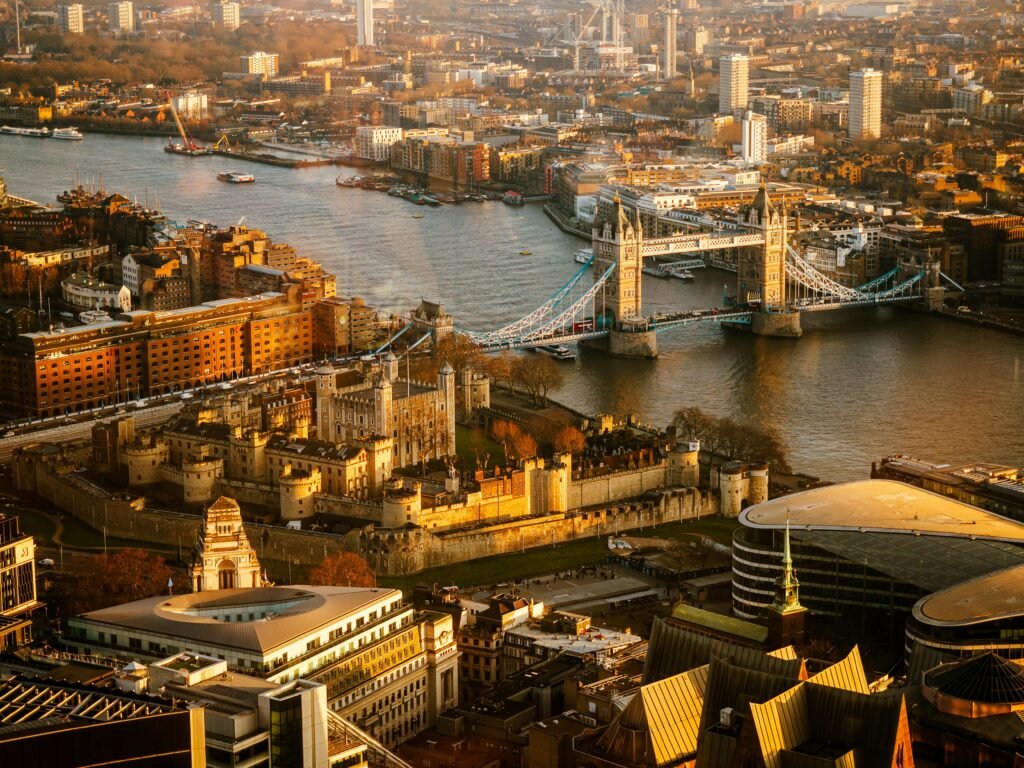
To understand London today, one must look beneath the pavement. The city’s foundations were laid by the Romans in AD 43. Known as Londinium, it quickly became a vital port. Remnants of the original Roman Wall can still be seen today near the Tower of London, a stark reminder of the city’s ancient origins.
The Great Fire and the Renaissance of Architecture
In 1666, the Great Fire of London destroyed much of the medieval city. However, from the ashes rose the architectural masterpieces of Sir Christopher Wren, most notably St. Paul’s Cathedral, which dominated the skyline for nearly 300 years. This period marked the transition from timber-framed houses to the sturdy brick and stone city we recognize today.
The Victorian Era and the Industrial Revolution
The 19th century saw London become the center of the world’s largest empire. This era gave us the iconic red-brick architecture, the world’s first underground railway (The Tube), and the sprawling docks that fueled global trade. It was during this time that London truly became the first “modern” global city.
Navigating the Neighborhoods: London’s Unique Villages
London is often described as a “city of villages.” Each borough has a distinct personality, dialect, and aesthetic.
Westminster: The Seat of Power
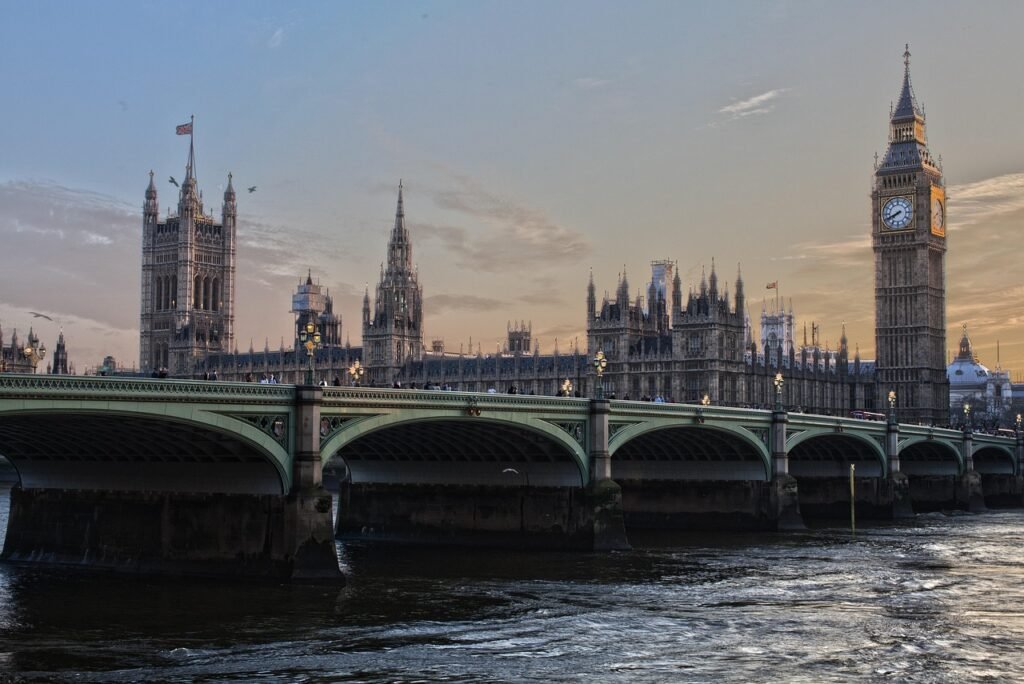
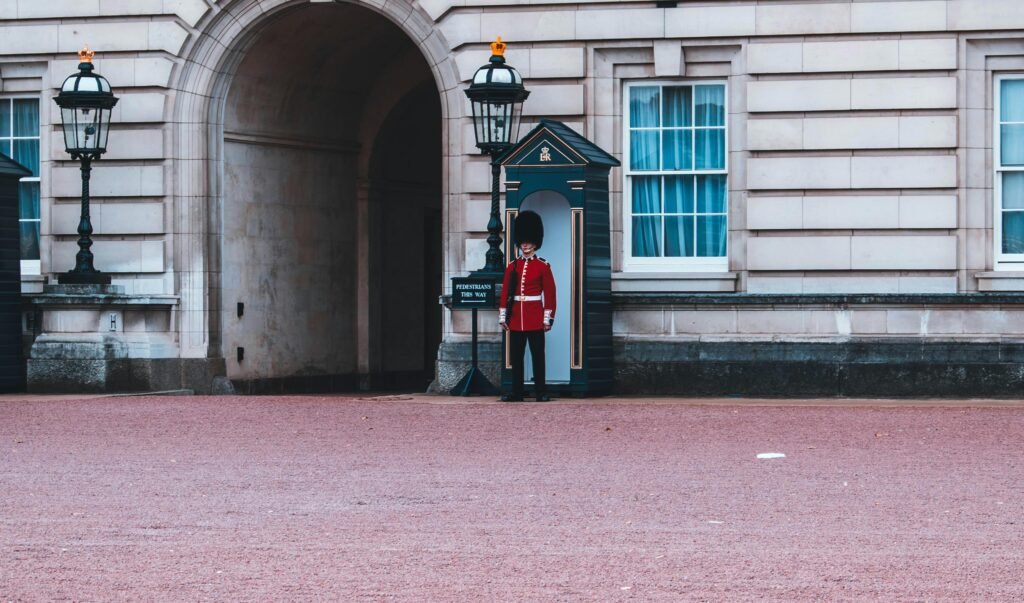
This is the London of postcards. It is home to Buckingham Palace, the Houses of Parliament, and Westminster Abbey.Walking through these streets, you feel the weight of centuries of political and royal history. It is the administrative heart of the UK and the primary destination for any first-time visitor.
Soho and the West End: The Pulse of Culture
If you seek entertainment, Soho is the place. Known for its vibrant nightlife, world-class theater in the West End, and iconic shopping on Oxford Street and Regent Street, it is the city’s tireless engine of creativity.
Shoreditch and the East End: The Edgy Creative Hub
Once a gritty industrial district, the East End is now a canvas for world-famous street art (including works by Banksy).Shoreditch is famous for its independent boutiques, tech start-ups, and the legendary curry houses of Brick Lane.
Iconic Landmarks You Can not Miss
No visit to London is complete without witnessing the landmarks that define the British capital.
- The Tower of London: A fortress, palace, and former prison. It houses the Crown Jewels and is guarded by the famous Yeoman Warders (Beefeaters).+1
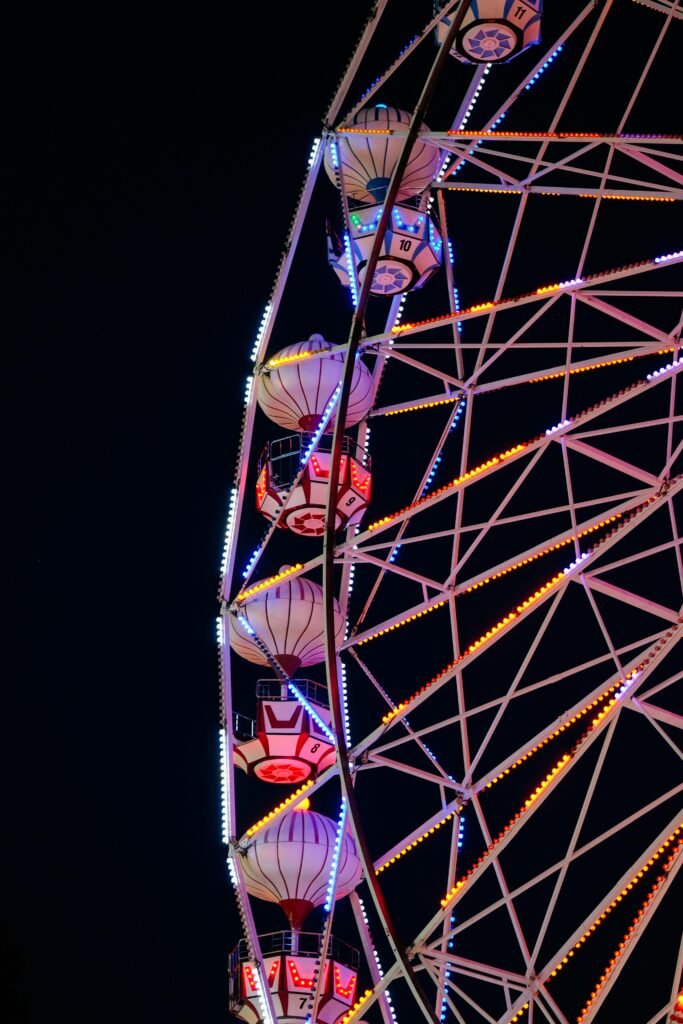
- The London Eye: Standing at 135 meters, this giant observation wheel offers 360-degree views stretching as far as Windsor Castle on clear days.
- The British Museum: Dedicated to human history, art, and culture, it contains the Rosetta Stone and the Egyptian mummies.
- The Shard: As Western Europe’s tallest building, it provides a modern contrast to the city’s ancient spires, offering a view from the clouds.
The Quintessential British Tradition: Afternoon Tea
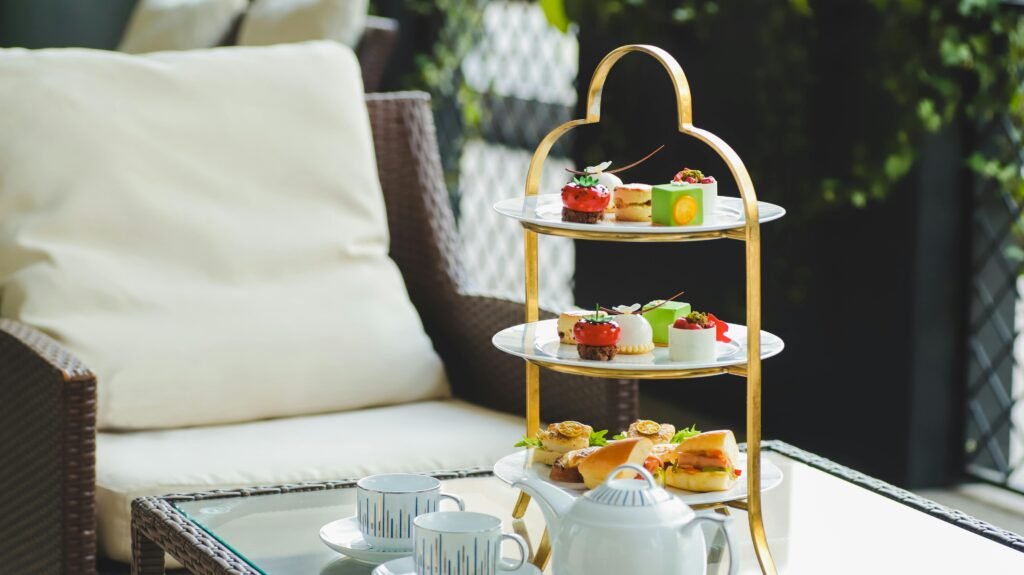
You cannot truly say you have experienced London without indulging in Afternoon Tea. This tradition, popularized by the Duchess of Bedford in the 1840s, has evolved into a high-art form in the capital.
From the opulent tea rooms of The Ritz and The Savoy to themed experiences like the “Charlie and the Chocolate Factory” tea at One Aldwych, it is a ritual of finger sandwiches, warm scones with clotted cream, and delicate pastries.For a more modern twist, many visitors now head to The Shard for tea with a view or the Prêt-à-Portea at The Berkeley, which serves cakes inspired by the latest fashion runway trends.
London’s Gastronomy: From Pubs to Michelin Stars
London is a global food capital. The days of British food being “bland” are long gone; today, the city boasts over 70 Michelin-starred restaurants and a street food scene that rivals any city in the world.
The Traditional British Pub
The pub is the social heart of London. Whether it’s a 500-year-old tavern in Fleet Street or a trendy gastropub in Islington, nothing beats a “Sunday Roast” or “Fish and Chips” accompanied by a local ale. Many pubs, such as The Spaniards Inn, have been frequented by literary giants like Dickens and Keats.
Borough Market: A Foodie’s Paradise
Located near London Bridge, Borough Market is the oldest food market in London. It is a sensory explosion of artisanal cheeses, fresh seafood, organic produce, and international street food. It is the best place to witness the diversity of London’s culinary landscape.
A Global Sporting Capital
London is arguably the world’s most significant city for sports. It is the only city to have hosted the Summer Olympics three times (1908, 1948, and 2012), but its daily sporting culture is what truly defines it.
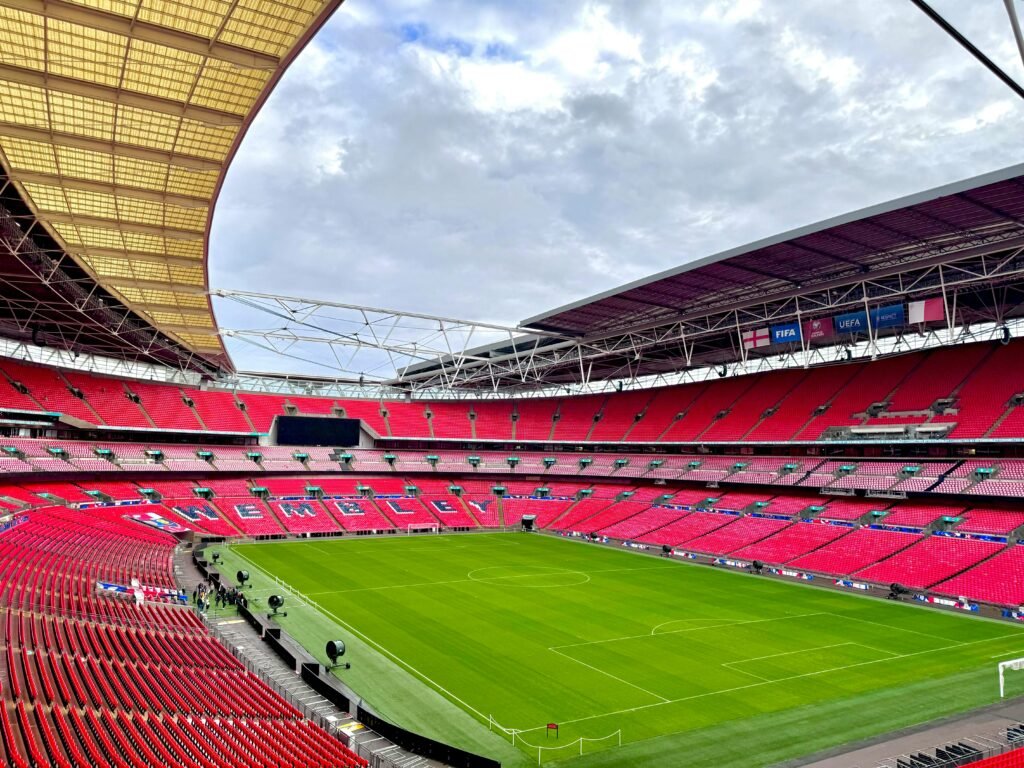
Football (Soccer): London is home to a staggering number of professional clubs, including Arsenal, Chelsea, Tottenham Hotspur, and West Ham United. For many, a trip to a London stadium is a pilgrimage.
Tennis: Every July, the world’s eyes turn to Wimbledon. The oldest tennis tournament in the world is famous for its strict dress codes, grass courts, and “strawberries and cream.”
Cricket: Known as the “Home of Cricket,” Lord’s Cricket Ground in St John’s Wood is a place of pilgrimage for fans of the sport, featuring a museum and the iconic Grade II-listed Pavilion.
Parks and Green Spaces: The Lungs of London
Despite being a dense metropolis, London is one of the world’s greenest cities, with over 40% of its surface area consisting of parks and open spaces.
- Hyde Park: Famous for the Serpentine Lake, the Princess Diana Memorial Fountain, and Speakers’ Corner.
- Regent’s Park: Home to the London Zoo and the stunning Queen Mary’s Rose Gardens, which feature over 12,000 roses.
- Richmond Park: The largest of the Royal Parks, where wild deer still roam free across 2,500 acres of hills and woodlands.
- Greenwich Park: Offering the best views of the Canary Wharf skyline and the home of the Prime Meridian (GMT).
Beyond the City: Iconic Day Trips from London
While there is enough in London to fill a lifetime, its location makes it the perfect base for exploring the South of England.
- Windsor Castle: Just a 50-minute train ride away, this is the oldest and largest occupied castle in the world and a favorite residence of the British Monarchs.
- Oxford & Cambridge: The world-famous university towns are easily accessible. Oxford (the “City of Dreaming Spires”) and Cambridge (famous for punting on the River Cam) offer stunning medieval architecture.
- Stonehenge: For those interested in ancient mysteries, a day trip to the prehistoric monument of Stonehenge is a must-do, often combined with a visit to the Georgian city of Bath.
Shopping: From Markets to Luxury Malls
London is a shopper’s dream, catering to every budget and style.
- Oxford Street & Regent Street: The primary high-street hub with over 300 shops and world-famous department stores like Liberty London (housed in a Tudor-revival building).
- Bond Street & Mayfair: The home of luxury, featuring brands like Chanel and Louis Vuitton, and the historic Selfridges.
- Knightsbridge: Home to Harrods, arguably the most famous department store in the world, known for its opulent food halls and Egyptian escalator.
- Camden Market: The place for alternative fashion, vintage vinyl, and unique crafts by the canal.

Practical Information for Your London Journey
Getting Around: The Iconic Transport System
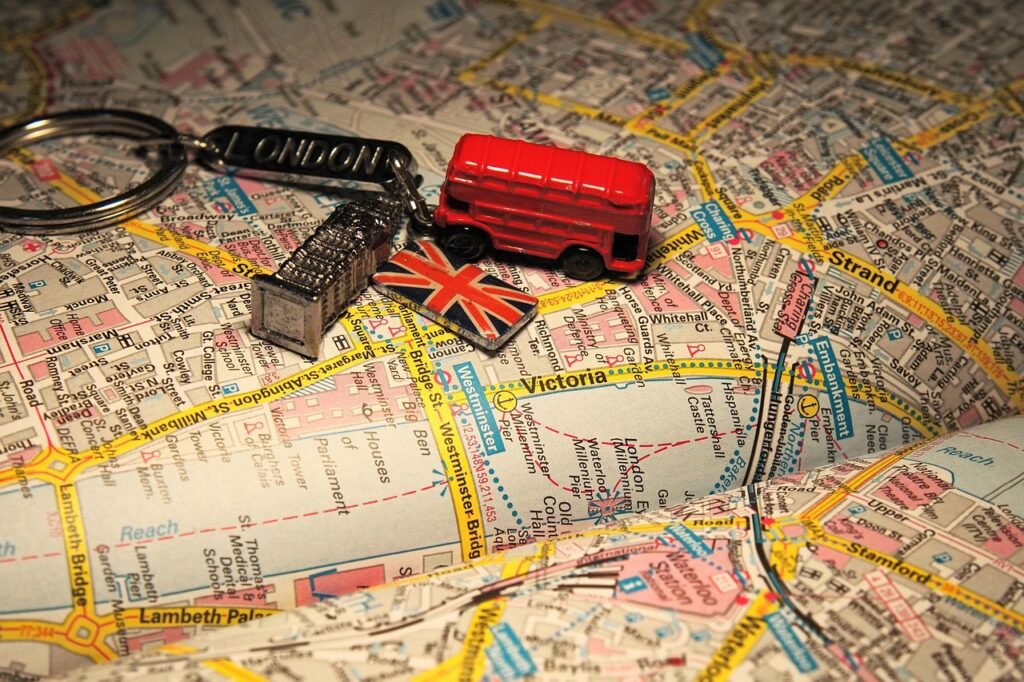
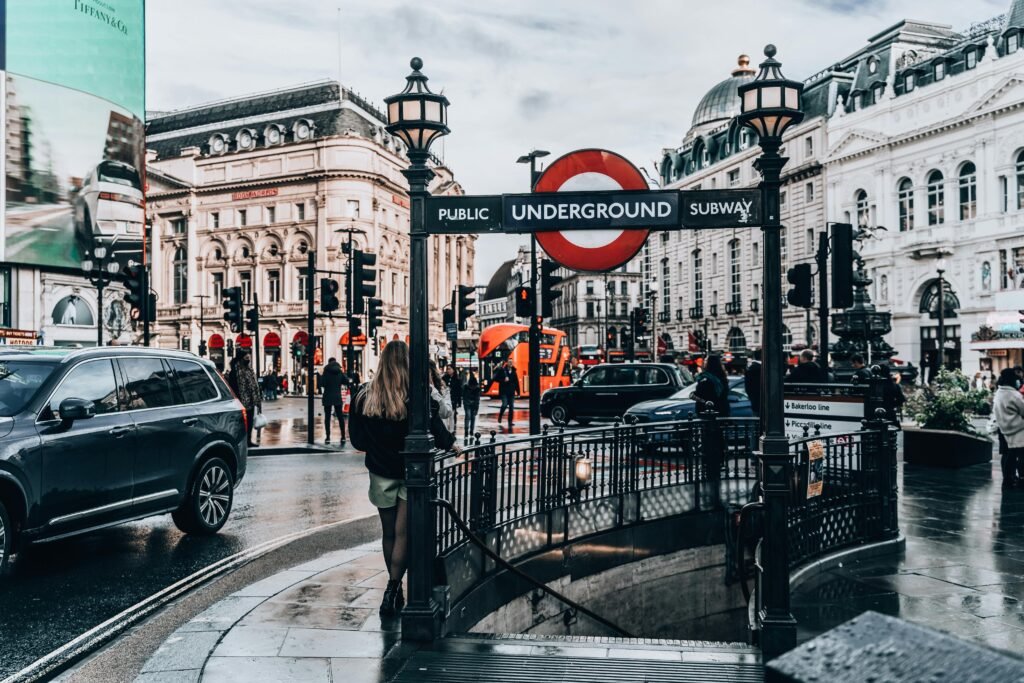
The London Underground, or “The Tube,” is the easiest way to travel. With 11 lines connecting every corner of the city, it is efficient and iconic.
- Tip: Avoid buying paper tickets. Use contactless payment (phone or card) for the “pay-as-you-go” daily cap, which is significantly cheaper.
Weather and When to Visit
London is beautiful year-round. Spring (March-May) brings cherry blossoms; Summer (June-August) offers long evenings and outdoor festivals; Autumn turns the parks golden; and December transforms the city with world-famous Christmas lights on Carnaby Street and Winter Wonderland in Hyde Park.
The Secret Side of London: Hidden Gems
While everyone knows Big Ben, the true charm of London lies in its secrets.
- Leadenhall Market: A stunning Victorian covered market that served as the inspiration for Diagon Alley in the Harry Potter films.
- Little Venice: A tranquil network of canals near Paddington where you can take a boat trip to Camden.
- The Sky Garden: A free public garden located at the top of the “Walkie Talkie” building, offering spectacular views without the price tag of the Shard.
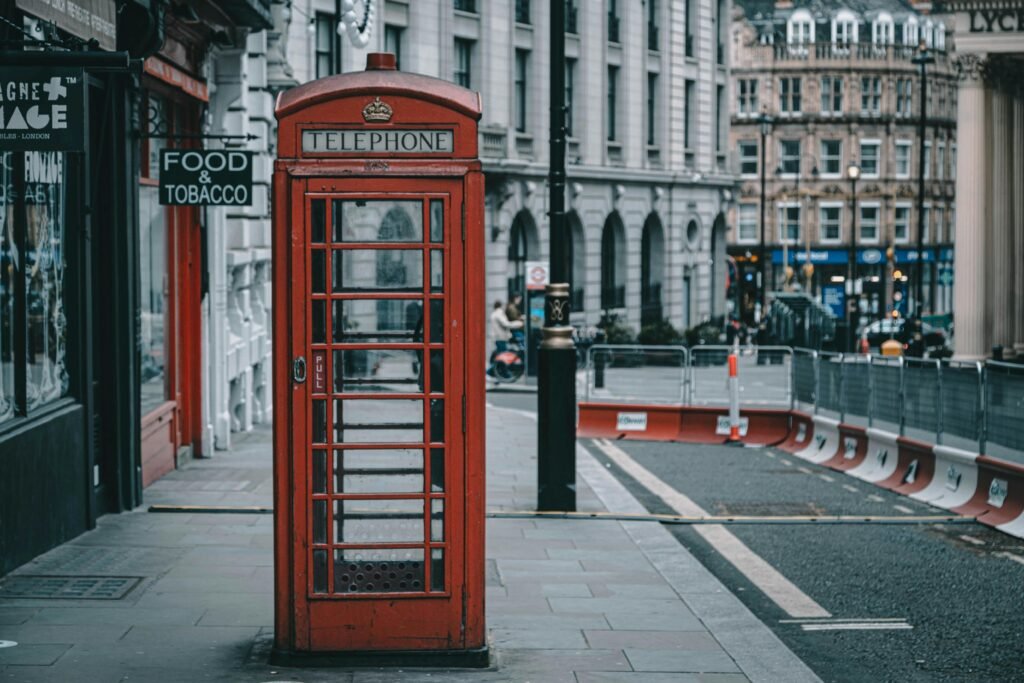
Conclusion: Why London Continues to Enthrall
London is a city that never stands still. Its ability to reinvent itself while honoring its deep historical roots is why it remains the most visited city in Europe. Whether you are coming for the history, the theater, the food, or the sports, London doesn’t just welcome you; it invites you to become a part of its story.
Frequently Asked Questions About London
Is London a safe city for tourists?
Yes, London is generally very safe. Like any major city, it is important to be aware of your surroundings in crowded tourist areas, but the city is well-policed and easy to navigate safely.
How many days do I need to see London?
While you can see the highlights in 3 days, a 5-to-7-day trip allows you to explore different neighborhoods and take a day trip to nearby sites like Windsor or Stonehenge.
What is the currency in London?
London uses the British Pound (£/GBP). While cash is accepted, London is a “cashless-friendly” city, and almost every shop and transport provider accepts contactless mobile payments or cards.
This is why London is frequently chosen for international meetings, events, and professional programs.
Ready to visit London?
Get in touch with our team today and get a free consultation about your upcoming trip!