How Companies Use MICE Travel to Drive Business Growth in 2026
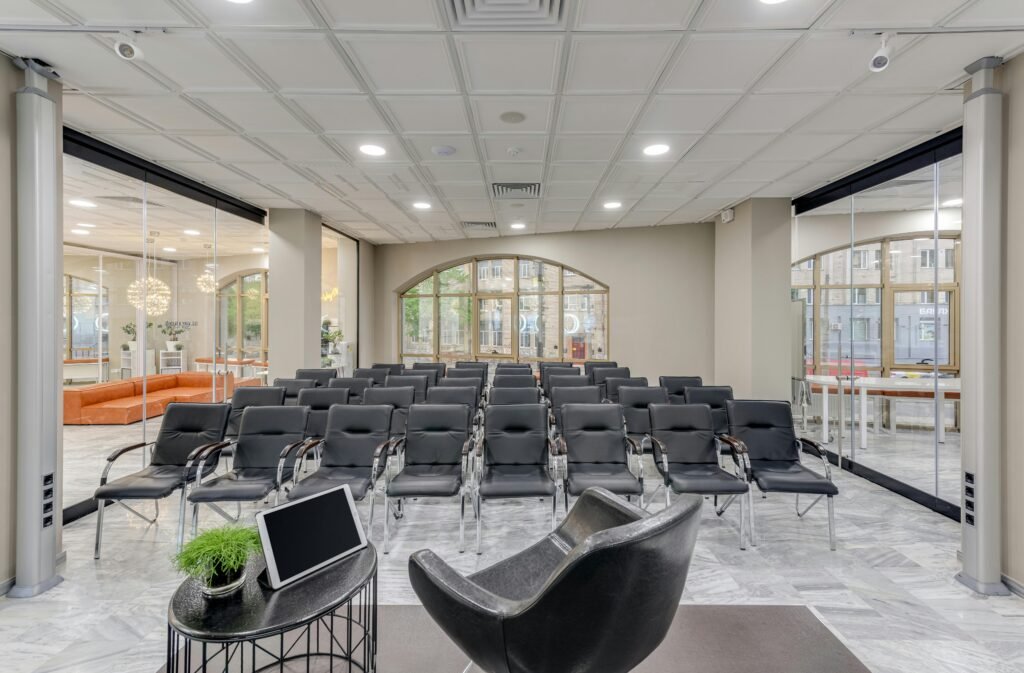
In today’s competitive global economy, companies are increasingly using MICE travel not just as a logistical necessity, but as a strategic business tool. Meetings, incentive programs, conferences, and exhibitions are no longer isolated events — they are integrated into long-term growth strategies.
In 2026, MICE travel continues to evolve, driven by new expectations around return on investment, employee engagement, sustainability, and experience-led business interactions. This article explores how companies actively use MICE travel to support expansion, innovation, and performance.
Why MICE Travel Is a Strategic Business Tool
MICE travel allows organizations to bring people together in ways that digital communication cannot fully replace. Face-to-face interaction strengthens trust, accelerates decision-making, and creates shared momentum.
For many companies, MICE programs are now embedded in:
- Annual business planning
- Sales and partner engagement strategies
- Leadership development initiatives
- Brand positioning efforts
Rather than being treated as expenses, MICE activities are increasingly evaluated as strategic investments.
From Cost Center to Growth Driver
For many years, MICE travel was viewed primarily as an operational expense. Today, forward-thinking organizations recognize it as a measurable growth driver. Strategic MICE programs influence how companies communicate, innovate, and scale across markets.
Executives increasingly integrate MICE initiatives into broader corporate strategies such as market entry planning, talent retention, and partner development. When aligned with clear business objectives, MICE travel supports faster decision-making, deeper stakeholder engagement, and stronger organizational culture.
This shift in perception is one of the defining characteristics of modern MICE tourism.
MICE Corporate Travel vs. Traditional Business Travel
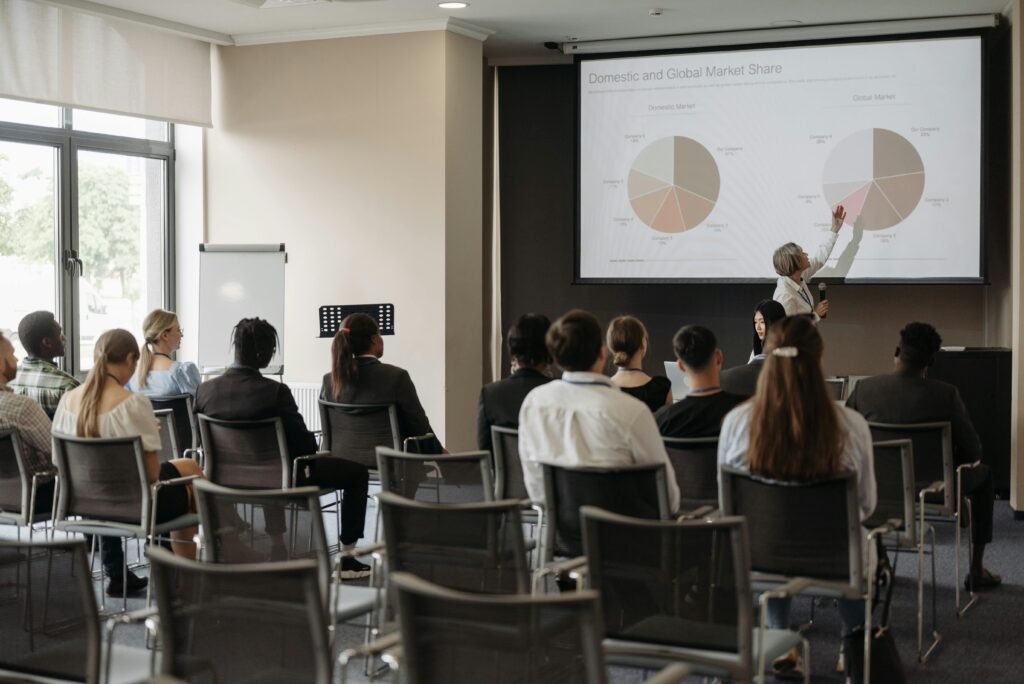
Unlike traditional business travel, which focuses on individual movement between destinations, MICE corporate travel is designed around collective objectives. It brings together teams, partners, or clients with a shared purpose.
Key differences include:
- Strategic planning versus ad-hoc travel
- Group coordination and experience design
- Structured agendas and measurable outcomes
- Long-term relationship building
This distinction explains why MICE travel has become a specialized discipline within the broader tourism and corporate travel ecosystem.
MICE Business Travel and Corporate Performance
MICE business travel directly impacts corporate performance by supporting:
- Faster alignment between teams
- Stronger client and partner relationships
- More effective knowledge transfer
- Improved employee motivation
Studies across the MICE industry consistently show that companies maintaining regular in-person engagement outperform those relying solely on virtual communication.
How Companies Design Effective MICE Programs
Effective MICE program design goes beyond logistics. Companies carefully consider participant profiles, cultural expectations, and communication goals. Programs are structured to balance formal business sessions with informal networking and experiential elements.
Increasingly, companies collaborate with MICE professionals to design programs that reflect brand identity while remaining adaptable to changing business conditions. This approach ensures consistency across markets and destinations, even as companies expand globally.
Successful MICE programs are built around clear objectives. Companies define:
- What business challenge the program addresses
- Who the target participants are
- What outcomes are expected
- How success will be measured
This structured approach transforms MICE travel from a one-off event into a repeatable business process.
The Role of Incentive Travel in Business Growth
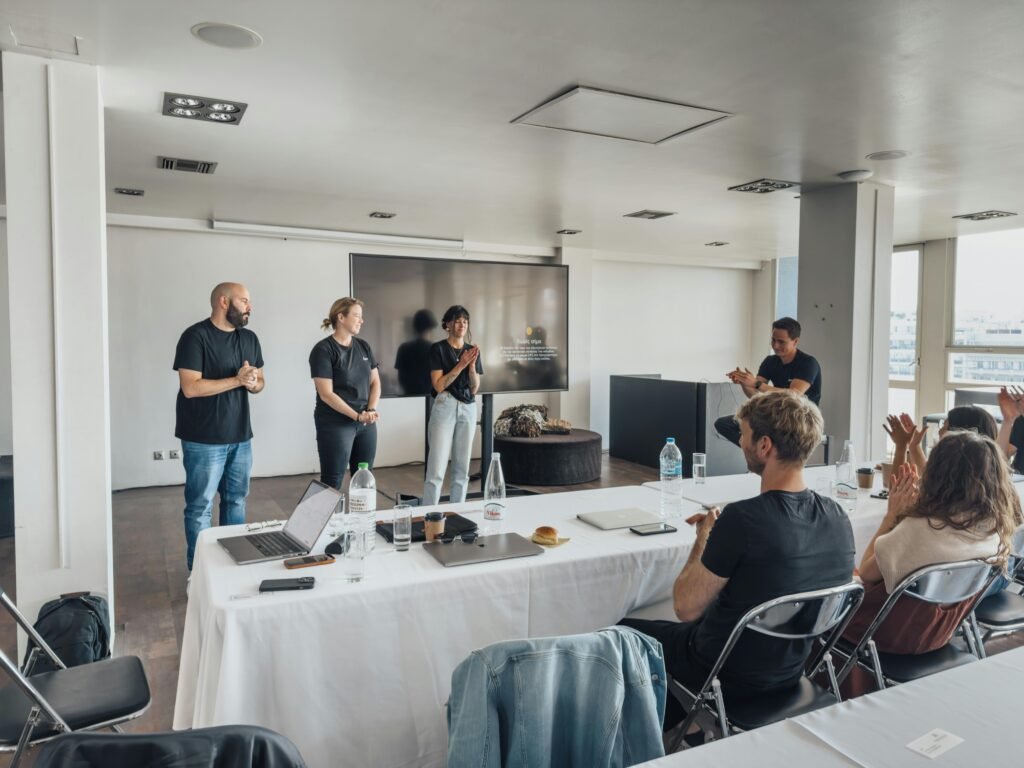
Incentive travel remains one of the most powerful tools in MICE tourism. High-performing employees and partners are rewarded with unique experiences that reinforce loyalty and performance.
Companies use incentive programs to:
- Increase sales motivation
- Retain top talent
- Strengthen partner networks
- Communicate company values

MICE Events as Platforms for Brand Positioning
Conferences and exhibitions allow companies to position themselves as industry leaders. Speaking opportunities, branded environments, and curated experiences all contribute to brand authority.
Well-designed MICE events help companies:
- Showcase expertise
- Build credibility
- Reach targeted audiences
- Generate qualified business leads
Beyond visibility, MICE events enable companies to shape perception. Carefully curated environments, speaker line-ups, and experiential elements reinforce credibility and trust. This is particularly valuable for organizations entering new markets or launching new products.
Well-executed MICE events position companies not only as participants in an industry, but as contributors and leaders within it.
MICE Infrastructure and Facilities: What Companies Look For
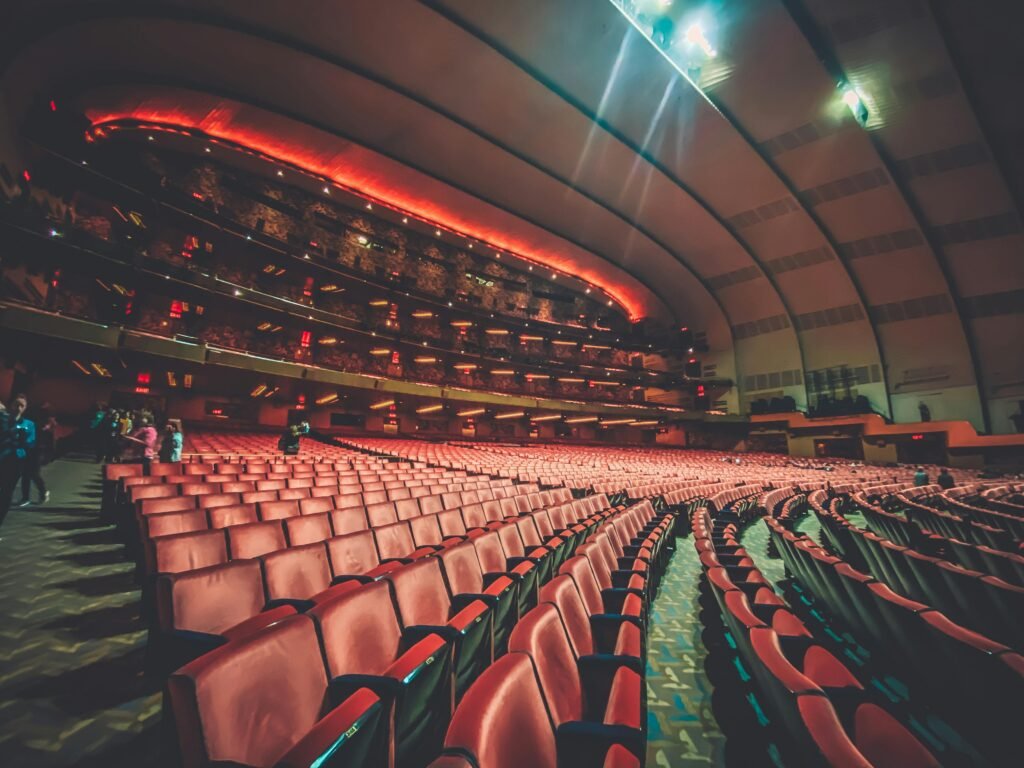
MICE infrastructure plays a crucial role in destination selection. Companies evaluate destinations based on venue capacity, technological capabilities, accessibility, and service quality.
Facilities must support:
- Seamless event flow
- Advanced audiovisual requirements
- Flexible meeting formats
- Security and privacy standards
Destinations with strong MICE infrastructure allow companies to execute complex programs efficiently while delivering a professional participant experience.
Infrastructure and Logistics Behind Successful MICE Travel
Behind every successful MICE program lies complex logistics. Transportation, accommodation, venue flow, technology, and staffing must work seamlessly together.
This is where professional destination management becomes critical, ensuring operational excellence and risk mitigation.
Why Companies Partner With MICE DMCs
Companies partner with MICE destination management companies to access local expertise, supplier networks, and on-site support. A DMC acts as an extension of the client’s internal team.
This partnership enables companies to:
- Reduce operational risk
- Control budgets more effectively
- Deliver consistent quality across destinations
- Focus on business objectives rather than logistics
As MICE programs grow in scale and complexity, internal teams often rely on external expertise. Destination management companies provide localized knowledge, supplier coordination, and on-site support that cannot be replicated remotely.
This collaboration enables companies to maintain quality standards across destinations while remaining agile and cost-efficient.
Understanding MICE Clients and Stakeholders

MICE clients include a wide range of stakeholders, each with distinct priorities. These typically include:
- Corporate decision-makers
- Human resources teams
- Sales and marketing leaders
- External partners and distributors
- Industry professionals and associations
Successful MICE programs address the expectations of all participants while maintaining alignment with business objectives. Understanding stakeholder dynamics is essential for delivering effective MICE events and programs.
Measuring ROI in MICE Business Travel
Modern MICE programs are measured using both quantitative and qualitative metrics. These include:
- Participant satisfaction
- Sales performance post-event
- Partner engagement levels
- Employee retention
- Brand exposure
Tracking these indicators allows companies to continuously improve their MICE strategies.
The Role of Sustainability in Modern MICE Travel
Sustainability has become a defining factor in MICE program design. Companies are increasingly conscious of environmental impact, social responsibility, and ethical sourcing.
Modern MICE travel incorporates:
- Responsible venue selection
- Efficient transportation planning
- Waste reduction initiatives
- Community engagement
Sustainable MICE programs not only reduce environmental impact but also enhance brand reputation and stakeholder trust.
The Future of MICE Business Travel
As we move through 2026, MICE travel continues to adapt. Hybrid formats, sustainability initiatives, and experience-driven design are shaping the future of business events.
Companies that invest strategically in MICE travel will continue to benefit from stronger relationships, clearer communication, and sustained growth.
How MICE Strategies Adapt to Different Destinations
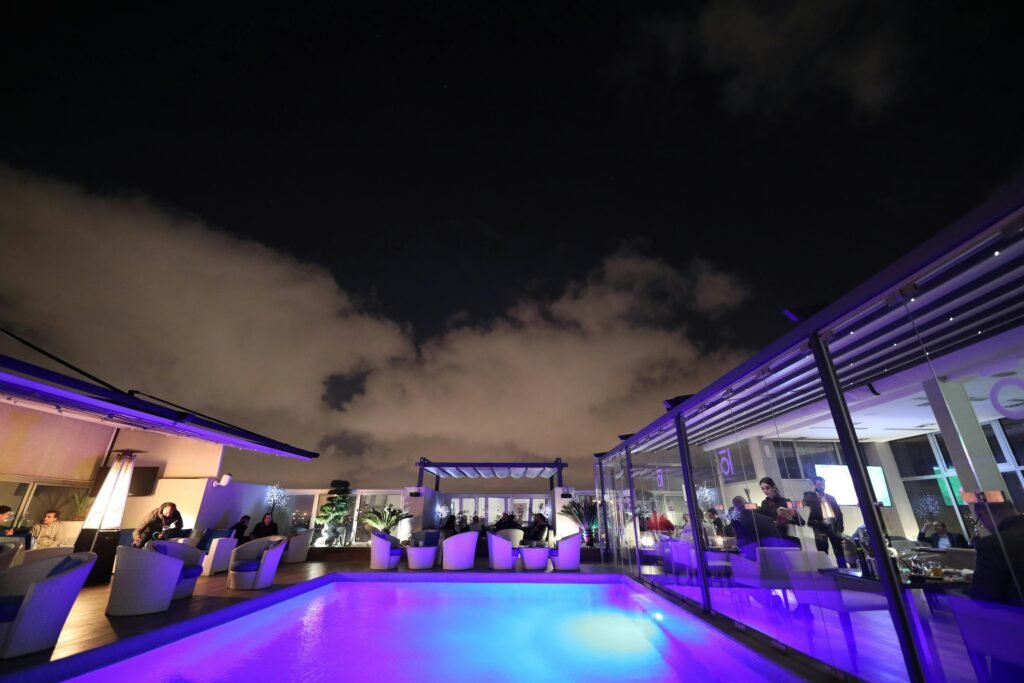
While core MICE principles remain consistent, their execution varies by destination. Local culture, infrastructure, and business environment influence program design and delivery.
This adaptability is what allows companies to implement global MICE strategies while maintaining local relevance — a key advantage in international business development.
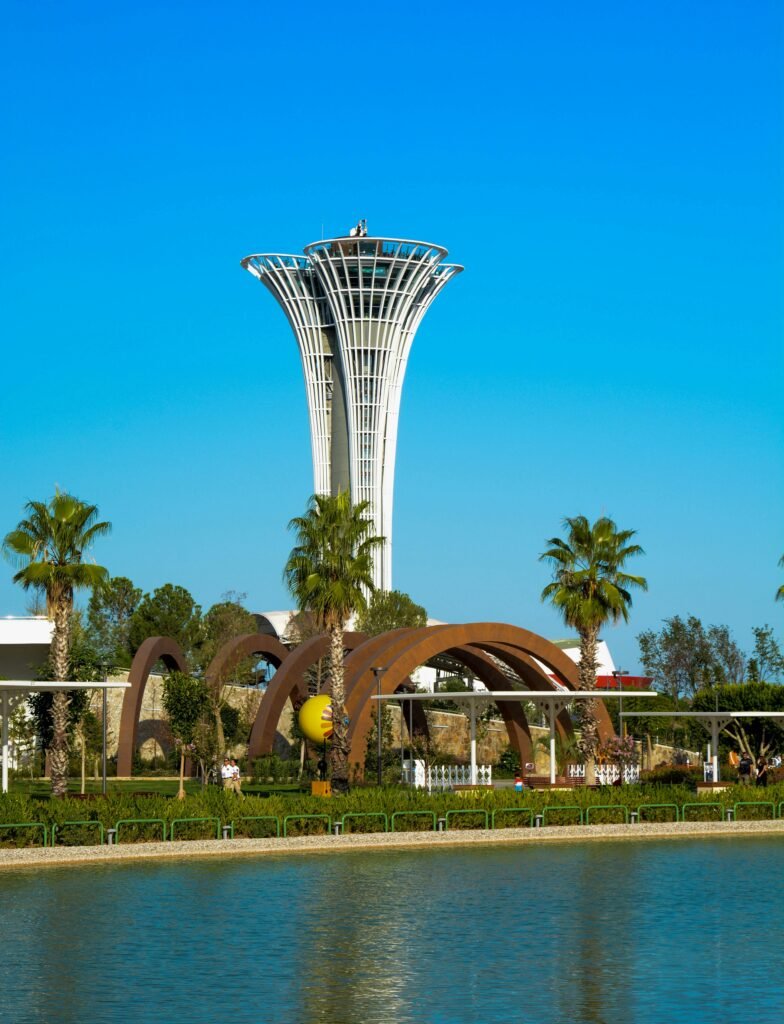
MICE Tourism and Corporate Events in Antalya
Antalya is widely recognized as the Mediterranean’s most strategic hub for MICE (Meetings, Incentives, Conferences, and Exhibitions). With its concentration of high-capacity “Integrated Resorts,” global accessibility via AYT Airport, and world-class infrastructure, the city offers a specialized environment designed specifically for large-scale international gatherings.
Companies choose Antalya not only for its superior value-to-quality ratio but also for the logistical control it offers. Hosting a MICE program on the Turkish Riviera signals a commitment to delegate comfort, high-tech execution, and strategic immersion.

Why Companies Choose Antalya for MICE Travel
Antalya combines high-tier business efficiency with the prestige of a luxury Mediterranean destination. Its appeal for the 2026 corporate market lies in several localized factors:
- Integrated Venue Ecosystem: The “Campus Model” of Belek and Lara, where delegates meet, dine, and stay within a single high-security perimeter.
- 300 Days of Sunshine: A 12-month event season that allows for outdoor networking and “Garden Congresses” even in mid-winter.
- Cost Predictability: The specialized MICE-Inclusive model, which covers all-day catering, AV, and hospitality within a single transparent budget.
- Strategic Time Zone: Perfectly positioned at GMT+3 to bridge communications between European headquarters and Middle Eastern/Asian partners.
- Elite Incentive Experiences: Access to UNESCO-adjacent gala venues like the Ancient Theater of Aspendos and private yacht-based branding events.
These elements allow companies to design MICE programs that are operationally seamless, reducing the “transit friction” common in urban hubs.
MICE Infrastructure and Event Capabilities in Antalya
Antalya offers a specialized range of MICE facilities, centered on Integrated Resort Congress Centers, high-capacity business hotels, and archaeological gala venues. Unlike the fragmented urban layouts, Antalya’s infrastructure is designed for “Single-Perimeter Logistics.” Advanced 4K LED audiovisual suites, pillar-free layouts of up to 5,000 m2, and “Ultra-All-Inclusive” service standards support everything from elite board retreats in Belek to massive international medical congresses.
This infrastructure enables companies to execute complex MICE programs with 100% delegate control while maintaining high participant satisfaction through seamless transitions between work and leisure.
Corporate Incentives and Experiential MICE Programs in Turkey
Beyond formal meetings, Antalya offers unparalleled potential for Incentive Travel and experiential MICE programs. Companies can integrate “Mediterranean Lifestyle” elements—such as private sunset cruises past the Lower Duden Waterfalls, exclusive gala dinners in the Ancient City of Perge, or championship golf tournaments—transforming standard business travel into high-impact engagement.
These incentive elements, rooted in authentic Anatolian hospitality, enhance team loyalty and long-term business relationships in a way that traditional city-center hotels cannot.
Local Expertise and Antalya Destination Management Support
Successful MICE programs on the Turkish Riviera rely on deep regional knowledge. Understanding TURSAB regulations, resort-specific “Ultra-All-Inclusive” contracts, and the logistics of the D400 coastal corridor is essential. Our Antalya DMC professionals provide on-the-ground expertise, ensuring smooth coordination from the AYT Airport tarmac to the final gala firework.
This local support allows corporate teams to focus on their strategic ROI rather than the operational complexity of a foreign Mediterranean market.
Planning a MICE Program in Antalya
Whether the goal is international knowledge sharing, brand positioning in the EMEA market, or executive team motivation, Antalya provides the ideal “High-Focus” environment. With a strategy built on 300 days of sunshine and world-class resort efficiency, companies can transform corporate travel into a powerful business tool.
Final Thoughts
In 2026, MICE travel is a strategic business lever. Antalya offers a unique “Integrated Campus” model that provides better delegate focus, higher security, and superior budget predictability than the congested capitals of Western Europe.
Let’s Design Your Next MICE Experience
If you are planning a corporate meeting, international conference, or incentive program in Antalya, our specialized destination management team ensures every detail aligns with your global objectives.
👉 Contact us today to start planning your MICE program.